
In the landscape of Long-Term and Post-Acute Care (LTPAC), few challenges are as pervasive or as punishing as pressure injuries (PIs), making effective pressure injury prevention in long-term care a critical priority for both clinical teams and facility leaders. They are physically devastating for residents—and financially draining for facilities already operating under pressure.
With the cost to manage a single full-thickness pressure injury reaching up to $50,000—not to mention the potential for CMS penalties, litigation, and reputational damage—skin integrity cannot be left to chance. As resident acuity rises, relying on standard foam mattresses or disconnected equipment strategies is no longer sufficient.
To truly protect vulnerable residents, we must move from reactive wound management to proactive, integrated pressure injury prevention.
Why Traditional Approaches Fall Short
The root cause of many pressure injuries isn’t just immobility; it is the equipment itself working against the resident. In many facilities, the bed frame and the support surface (mattress) are purchased separately, often from different manufacturers. This leads to a dangerous disconnect:
- The Shear Factor: When a standard mattress does not articulate in sync with the bed frame, elevating the head of the bed generates significant shear forces. The skin remains fixed to the surface while the underlying skeletal structure shifts downward, stretching and tearing delicate capillaries—reinforcing the need to reduce shear in long-term care beds to preserve skin integrity.
- Reactive vs. Proactive: Many facilities rely on static surfaces until a wound develops, only switching to therapy surfaces after the damage is done. In higher-acuity populations, this delay is often the difference between a Stage 1 injury and a Stage 3 or 4.
- Inconsistent Microclimate: Traditional surfaces often fail to manage heat and moisture accumulation effectively—two factors consistently linked to skin maceration and breakdown in clinical guidance for pressure injury prevention.
The Solution: An Integrated Approach to Skin Integrity
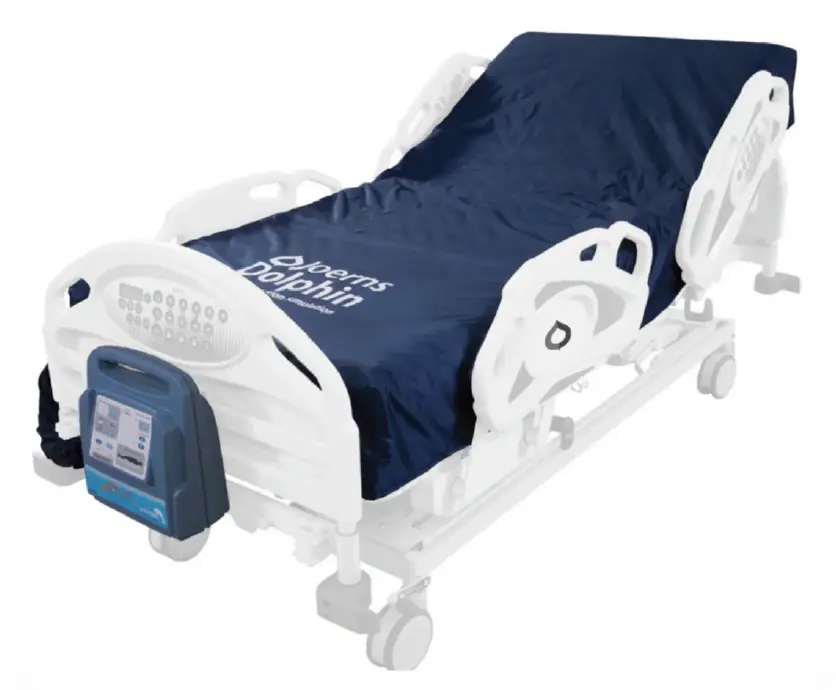
True prevention requires a system where the bed and surface function as a single therapeutic unit—especially when selecting support surfaces for pressure injury prevention in higher-acuity populations. Joerns’ advanced support surfaces are engineered as integrated bed and mattress systems, working seamlessly with the bed frame to address the biomechanical causes of skin breakdown.
1. Synchronized Articulation to Reduce Shear
Joerns integrated systems are designed so that the surface moves with the frame, not against it. This synchronization significantly reduces shear and friction during bed articulation (such as raising the head for dining or respiratory support), preserving the integrity of the tissue during necessary movements.
2. Dynamic Pressure Redistribution
For residents with complex care needs, static support is rarely enough to maintain circulation and protect vulnerable tissue. Advanced therapeutic surfaces utilize dynamic air technology to constantly redistribute pressure, ensuring that no single anatomical point bears the weight for too long. This mimics the body’s natural micro-movements, maintaining blood flow to high-risk areas like the sacrum and heels.
3. Dual-Purpose Design: Prevention and Therapy
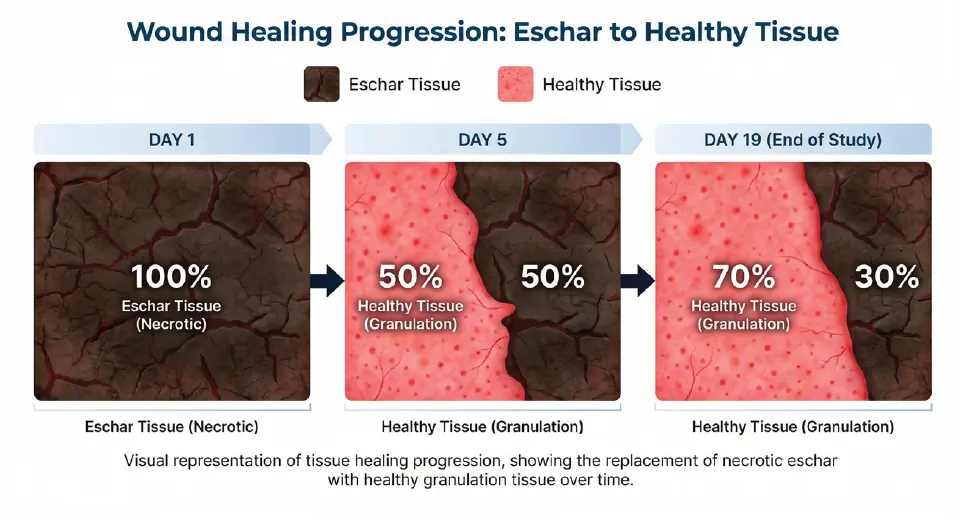
Modern integrated solutions bridge the gap between prevention and treatment. These surfaces are robust enough to prevent injuries in high-risk residents while offering the therapeutic capabilities required to heal existing wounds. This versatility simplifies inventory management and ensures the right care is available immediately.
Real-World Impact: Beyond the Wound
The benefits of an integrated system extend beyond clinical metrics. In complex care situations, the right support surface restores dignity.
When pain is managed through proper redistribution, and when the fear of repositioning is reduced, residents experience improved sleep and greater comfort. Furthermore, by preventing the immobilization that often accompanies severe wounds, these systems support improved mobility and rehabilitation outcomes.
Conclusion
A pressure injury is a sign of a system failure, not a caregiver failure. By equipping your staff with integrated bed and surface solutions that work together, you stop wounds before they start—protecting your bottom line and, most importantly, the people in your care.
Is your facility equipped to manage rising acuity without increasing risk? Explore integrated bed and support surface solutions designed to support pressure injury prevention in long-term care.